
Reexamining Professionalization
Changing nonprofit demands - Part 2

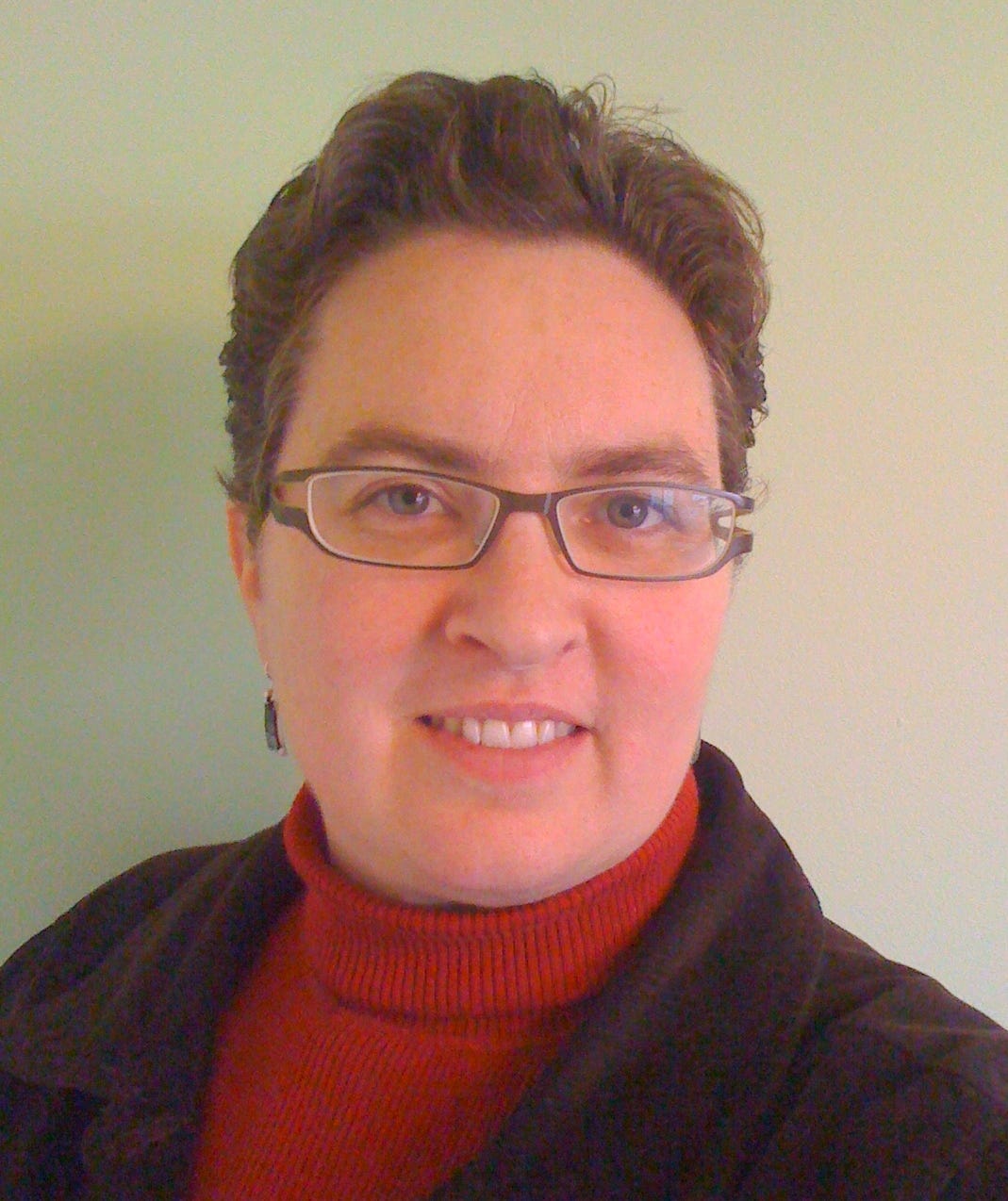
Image description: A picture of me trying to look professional back in 2010.
In the 1990s, most nonprofit CEOs grew into their positions in nonprofits or founded their organizations. Except for specialized nonprofits (medical, legal, etc.), graduate degrees were not thought of as a requirement for leadership. We still sometimes called our sector the “voluntary sector,” and passion for the mission was the primary qualification for the work. Running a nonprofit was hard work but far less technical than it is today.
Over the decades that I have worked in and with nonprofits, the academic field of nonprofit management has exploded. My personal story illustrates some of the change that has taken place. When I looked for graduate education in this area in 1993, there were just a handful of business/management/policy graduate programs nationally with a central focus on nonprofits. I applied to MBA programs and MPA programs and eventually chose the University of Washington Graduate School of Public Affairs (now the UW Evans School of Public Affairs). The liberal bent of a public policy and management school seemed like a better fit than a business school, and this program had greater flexibility to take classes outside the department and create your own concentration. At that time, the department had just one course focused on nonprofits, taught by Nancy Long and Frank Chopp. I became the first student to graduate with a concentration in nonprofit management by proposing an independent concentration, but it took over a year to convince the curriculum committee that nonprofit management and policy was a valid field of study. Within a few years, faculty focused on nonprofits were hired and the study of nonprofits became an integral part of the school’s offerings. I started teaching at the graduate level in 1998 at UW and later at Seattle University, and I have loved being a part of this field.
I am a nonprofit nerd, and I am so glad that we now have serious research about our sector and are learning constantly. But I also recognize that there has been a kind of inflation going on—people feel pressure to go to school rather than learn on the job and then require higher salaries to pay off their student loan debt and survive. Knowledge about statistics, formal evaluation, resource development, and policy advocacy can help our organizations get ahead. It can also lead to educated elites outcompeting community-based leaders and groups for resources and attention.
Professionalism can also be weaponized. There can be a tendency to look down on others who do not know the same things that you do. Given inequitable access to education, this results in the same people who have always been marginalized having their voices sidelined within the nonprofit sector despite our professed commitments to DEI.
As Jan Masaoka has observed in an excellent series of articles on volunteers, this attitude can often be extended to nonprofit staff feeling superior to volunteers and treating them poorly. This is an assault to the “voluntary sector” from within, and it hurts us. While I very much understand the equity-based call to eliminate unpaid internships and to pay people fairly for their labor, I also see the decline of volunteerism and civic engagement as a huge vulnerability for our democracy. Much good has been accomplished by voluntary action, and we still need it—witness the mutual aid networks that emerged during COVID and now in Minneapolis to ensure the neighbors’ basic needs are met. If we lose the habit of volunteering and the leadership and cooperation skills associated with voluntary action, we lose some of our agency.
So, let’s tap the power of nonprofit education, but also recognize that it must be paired with a real reverence for authentic, grounded community action and voluntary engagement.
Love this one! I guess academic study might be helpful for exposing folks to multiple ways of doing things, versus the limited experience they’ll get at any single org. But I firmly believe our best insights are gained in the real world.